
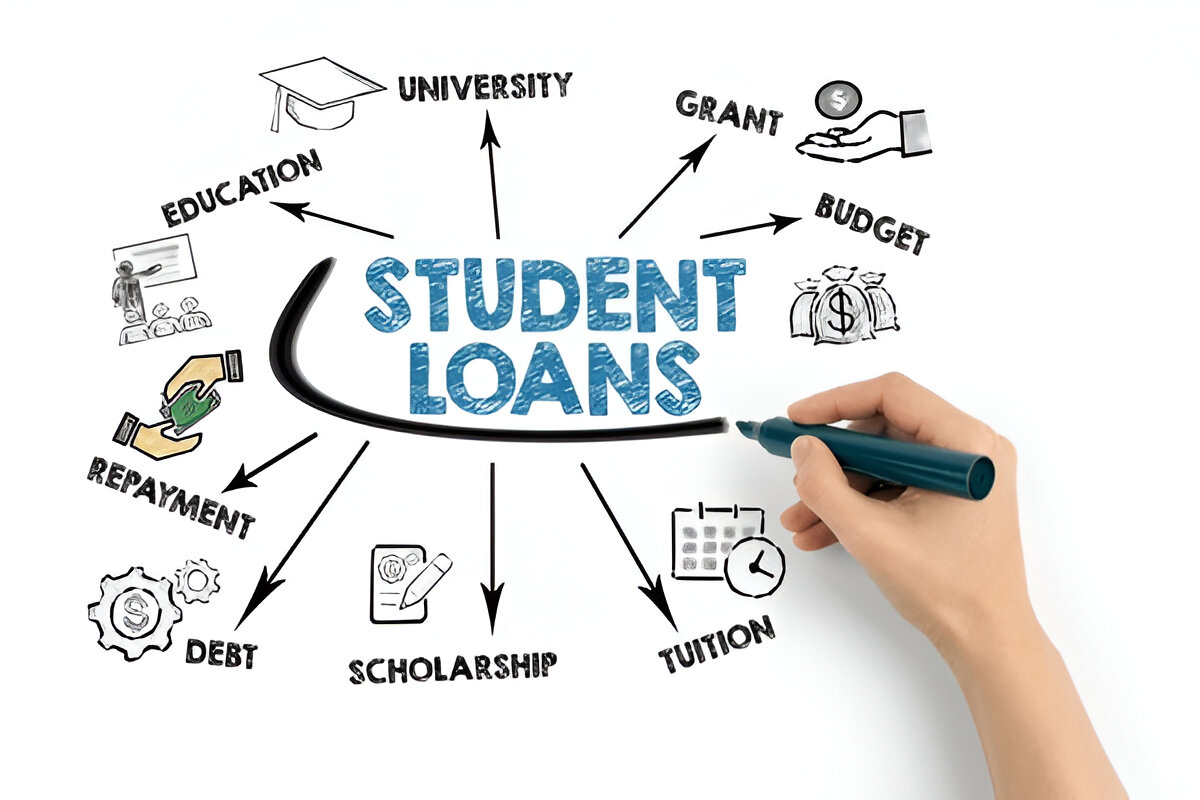
In recent years, education loans have become increasingly significant in India’s higher education landscape. As the demand for quality education grows, more students are turning to financial institutions to support their academic aspirations. Education loans are designed to provide monetary assistance to students for their higher education, enabling them to pursue courses in India and abroad. However, while these loans can be a valuable resource, they also introduce various challenges that can affect students’ academic and personal lives. This article explores the impact of education loans on students in India, examining both the positive and negative consequences while also providing insights into managing loan debt effectively.
Overview of Education Loans in India
Education loans play a crucial role in facilitating access to higher education in India. They are structured financial products offered by banks and financial institutions to assist students in covering the cost of tuition, study materials, and sometimes even living expenses. As the cost of quality education continues to rise, education loans have become an essential tool for many families across the nation.
Concept of Education Loans
The concept of education loans revolves around providing students with the necessary funds to pursue their academic goals without immediate financial pressure. These loans typically cover a significant portion of tuition fees and related expenses, offering a deferred payment plan where the borrower begins repayment after completing their education. The terms and conditions, including interest rates and repayment schedules, can vary widely based on the lender’s policies and the borrower’s profile.
Education loans in India are available for a range of courses and levels of education, from undergraduate to postgraduate and professional studies. They are designed to minimize financial barriers to education, thereby promoting educational equity and enabling students from diverse backgrounds to achieve their academic ambitions.
Role and Policies of Banks and Financial Institutions
Banks and financial institutions play a pivotal role in the education loan sector in India. They provide the necessary capital and establish guidelines for eligibility, interest rates, repayment terms, and collateral requirements. Public sector banks, private banks, and non-banking financial companies (NBFCs) are all involved in offering education loans, each with their own set of policies tailored to meet the needs of different segments of students.
The policies surrounding education loans often include government-backed schemes that seek to make education loans more accessible and affordable. Initiatives such as interest rate subsidies, moratorium periods, and income-linked repayment plans are designed to alleviate the financial burden on students and their families, encouraging more students to pursue higher education without fear of unsustainable debt.
The Growing Prevalence of Education Loans
In recent years, there has been a marked increase in the prevalence of education loans among Indian students. This trend reflects a broader societal shift towards valuing higher education as a means of securing better career opportunities and social mobility. However, this growing reliance on loans also raises important questions about sustainability and access.
Statistical Data on Education Loans
Data from various financial reports indicate a consistent rise in the volume and value of education loans disbursed in India. The number of students applying for loans has surged, driven by both the rising cost of education and the aspirational goals of students seeking to study in premier institutions. The government’s support and encouragement for financial inclusion in education further contribute to this upward trend.
Statistical analyses reveal that a significant percentage of education loan demand comes from students pursuing professional courses such as engineering, medicine, and management. There is also a noticeable increase in loans for international studies, reflecting Indian students’ growing propensity to seek global education experiences.
Factors Driving the Increase in Education Loans
Several factors contribute to the increasing reliance on education loans in India. Primary among these is the rising cost of education, which has outpaced average income growth, making it challenging for families to fund higher education without external assistance. This economic reality has necessitated a shift towards borrowing.
Additionally, the heightened demand for specialized and professional courses, which often come with hefty tuition fees, is a significant driver. The expanding middle class in India, characterized by higher aspirations and willingness to invest in education, further bolsters this trend. The availability of attractive loan products with competitive interest rates and flexible repayment options also motivates more students to opt for loans.
Positive Impacts of Education Loans on Students
When managed wisely, education loans can have several positive effects on students. They are instrumental in bridging financial shortfalls, enabling students to pursue their desired courses and institutions, thereby contributing to personal and national development.
Opening Doors to Quality Education
Education loans significantly widen the scope of educational opportunities for students. They empower students to enroll in prestigious institutions offering high-quality education, which might otherwise be financially out of reach. By facilitating access to renowned faculties, cutting-edge research facilities, and diverse peer groups, education loans help students gain a competitive edge and holistic growth.
Moreover, these loans enable students to explore a wide range of academic disciplines, including niche and innovative fields that are often cost-prohibitive. This diversification in education helps students develop versatile skills necessary for the ever-evolving global job market, thereby enhancing their employability.
Promotion of Higher Education
Education loans play a pivotal role in promoting higher education by removing financial barriers that might prevent students from continuing their studies beyond secondary education. By making higher education more accessible, these loans help increase the number of graduates, which is crucial for the socio-economic development of the country.
Higher education is synonymous with better career prospects and improved earning potential. By encouraging more students to pursue advanced degrees, education loans contribute to creating a more skilled workforce capable of driving innovation and competitiveness in the global economy.
Creating Long-Term Economic Opportunities
Investing in education through loans is often considered a catalyst for long-term economic benefits. By facilitating access to superior education, loans help build a knowledgeable workforce that can contribute to various sectors of the economy. This not only enhances individual earning capabilities but also promotes overall economic growth.
Additionally, education loans help in reducing poverty and inequality by offering a pathway for social mobility. By enabling students from economically weaker sections to pursue higher education, these loans contribute to narrowing the socio-economic divide, fostering an inclusive and equitable society.
Negative Impacts of Education Loans on Students
Despite their advantages, education loans also come with challenges that can negatively impact students. The stress of debt and repayment obligations can weigh heavily on students, affecting their academic journey and future financial stability.
The Pressure and Burden of Repayment
The obligation to repay education loans can create a significant financial burden for students, particularly in the early years of their careers. Fresh graduates often find themselves saddled with debt even before they have secured stable employment, which can lead to financial distress and anxiety.
This pressure may compel students to accept jobs out of necessity, rather than aligning with their career interests or aspirations, potentially hindering personal and professional growth. The burden of repayment also affects major life decisions, such as relocation, further education, and even starting a family.
Effects on Mental Health
The stress associated with loan repayment can have profound effects on the mental health of students and graduates. The continuous worry about meeting monthly payments and the fear of defaulting can result in anxiety, depression, and other mental health issues, affecting overall well-being.
Moreover, the societal stigma attached to debt can exacerbate feelings of inadequacy and failure among students, leading to a decrease in self-esteem and motivation. Addressing these mental health challenges becomes crucial in ensuring that students can manage their loans without compromising their mental health.
Risks of Default and Impact on Credit Score
Failure to repay education loans, commonly known as default, can lead to severe financial consequences, including a tarnished credit score. A poor credit history can affect students’ ability to secure future loans for personal or professional growth, such as home or business loans.
The risk of default is particularly high for students who face unemployment or underemployment upon graduation. This situation underscores the necessity of informed borrowing, where students and their families carefully evaluate potential earnings and repayment capabilities before taking an education loan.
Strategies to Handle Education Loan Debt
Effective management of education loan debt is crucial to minimizing its negative impacts on students. By employing thoughtful strategies and leveraging available support mechanisms, students can navigate their financial responsibilities more smoothly.
Tips for Efficient Loan Management
Managing education loans efficiently requires careful planning and discipline. Students should begin by understanding the terms of their loan agreements, including the interest rate and repayment schedule. Creating a realistic budget that accounts for monthly loan payments, living expenses, and other financial commitments is fundamental to staying on track.
Additionally, students should explore options such as part-time work or internships to increase income during their studies, which can help reduce their reliance on borrowed funds. It’s also beneficial to pay attention to any opportunities for prepayment or partial payments, which can help lower interest costs over the loan term.
Policies and Schemes for Loan Relief
The Indian government, along with various financial institutions, offers several policies and schemes aimed at providing relief to education loan borrowers. Initiatives such as the Central Sector Interest Subsidy Scheme provide interest subsidies for economically weaker sections, reducing the overall burden of borrowing.
Other schemes include income-linked repayment plans that adjust monthly payments based on the borrower’s income, providing flexibility and financial security. Students should stay informed about these policies and assess their eligibility for any relief or support that can help in managing their loan obligations.
In conclusion, education loans are a double-edged sword for students in India. While they undoubtedly open doors to higher education and better career prospects, they also introduce significant financial responsibilities that can impact students’ mental and financial health. By understanding both the benefits and challenges of education loans, students can make informed decisions and adopt strategies to manage their debt effectively. Policymakers and financial institutions also have a role to play in ensuring that education loans remain a viable tool for empowering future generations without overwhelming them with debt.


Leave a Reply